East Anglia: Coast, Countryside and History
👤 Written by Handpicked Stays 🗓️ 18th August 2026, last updated 12th September 2026
Windswept beaches to peaceful waterways, medieval villages and magnificent country estates, East Anglia offers a very different side of England to discover.
For this guide, we're exploring Norfolk, Suffolk and Cambridgeshire – three counties filled with distinctive landscapes, fascinating history and places that reward taking your time. From the Norfolk Broads and the Suffolk coast to the historic cities of Norwich, Cambridge and Ely, there is an extraordinary variety packed into this corner of eastern England.
Whether you're looking for a relaxing seaside escape, a country walk, a historic town to explore or somewhere simply beautiful to slow down, East Anglia has plenty to offer.

Norfolk - Big Skies, Beaches and the Broads
Our East Anglia journey begins in Norfolk, a county renowned for its enormous skies, beautiful coastline, historic towns and unique waterways.
The Norfolk Broads are perhaps its most distinctive landscape. This network of rivers and lakes stretches across a large part of the county, creating a peaceful setting for boating, walking, cycling and wildlife watching. The Broads National Park is particularly special because its waterways and wetlands are woven into the surrounding countryside and communities.
Norfolk's coastline offers a very different experience. Along the north coast, places such as Wells-next-the-Sea and Holkham are known for their expansive beaches, dunes and open landscapes. Further east, Cromer has a traditional seaside character, with its pier, promenade and dramatic coastal scenery.
For wildlife lovers, the coast is especially rewarding. Norfolk's beaches, saltmarshes and nature reserves provide important habitats for birds and other wildlife, while the area around Blakeney is particularly well known for its coastal nature and seal-watching opportunities.
Norfolk also has an impressive collection of historic houses and estates. Blickling Estate is home to a magnificent Jacobean mansion surrounded by gardens, woodland and parkland, while nearby Felbrigg Hall is an elegant 17th-century country house with extensive grounds and a beautiful walled garden.
Further west, Sandringham offers another glimpse into the county's royal connections, while the historic market town of King's Lynn provides a fascinating mixture of medieval and later architecture.
Norfolk is perhaps at its best when you resist the temptation to rush. Take a boat onto the Broads, walk along a quiet stretch of beach, explore a country estate or settle into a village pub and watch the world go by.
Link: Holiday cottages in Norfolk.
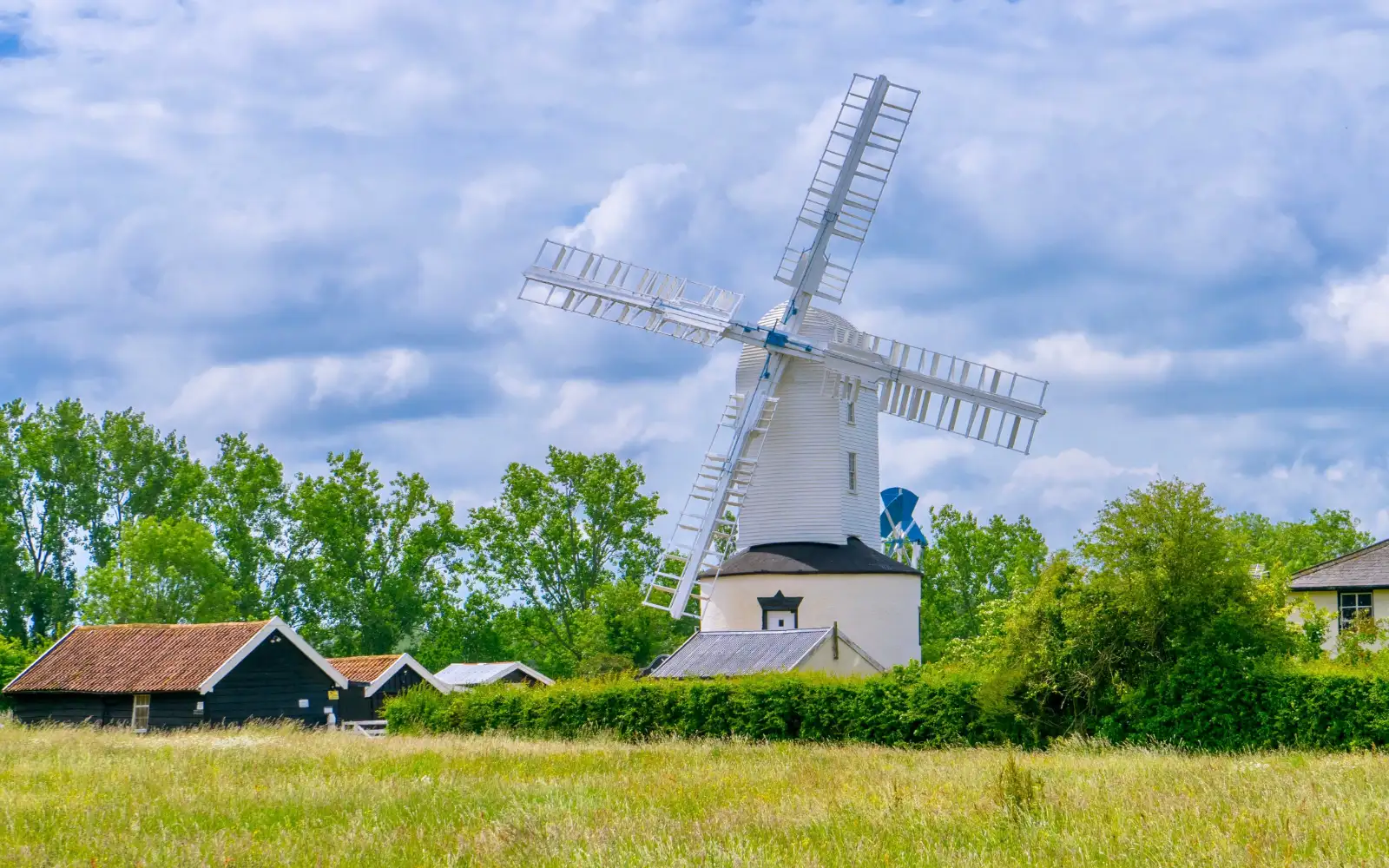
Suffolk - Coast, Villages and Constable Country
Next comes Suffolk, a county of rolling countryside, picturesque villages, a beautiful coastline and some of England's most distinctive historic towns.
The Suffolk coast has a character all of its own. Southwold combines a traditional seaside atmosphere with an attractive town centre and famous pier, while nearby Aldeburgh is known for its shingle beach, elegant buildings and strong artistic and musical heritage.
Further north, the Suffolk coast becomes quieter and wilder, with places such as Dunwich offering a glimpse of a landscape shaped by both nature and history.
Inland, Suffolk's villages are among the county's greatest attractions. Lavenham is particularly famous for its medieval timber-framed buildings and historic streets, while Long Melford offers an equally appealing combination of heritage, architecture and countryside.
History enthusiasts should make time for Sutton Hoo near Woodbridge, where two early medieval burial grounds include the famous ship burial discovered in 1939. The finds from Sutton Hoo provide remarkable evidence of the wealth, craftsmanship and international connections of early Anglo-Saxon England.
For art and landscape lovers, Constable Country offers another reason to explore Suffolk. The countryside around the River Stour inspired the celebrated landscape paintings of John Constable, including the familiar scenes around Flatford and Dedham Vale.
There are grand houses here too. Ickworth, near Bury St Edmunds, combines an impressive Italianate Rotunda with a large historic estate, while Framlingham Castle provides a spectacular reminder of Suffolk's medieval past.
Suffolk is a county that rewards slow exploration. One moment you can be walking beside the sea, and the next you can be wandering down a medieval village street or following a country lane through the landscape that inspired one of England's greatest painters.
Link: Holiday cottages in Suffolk.
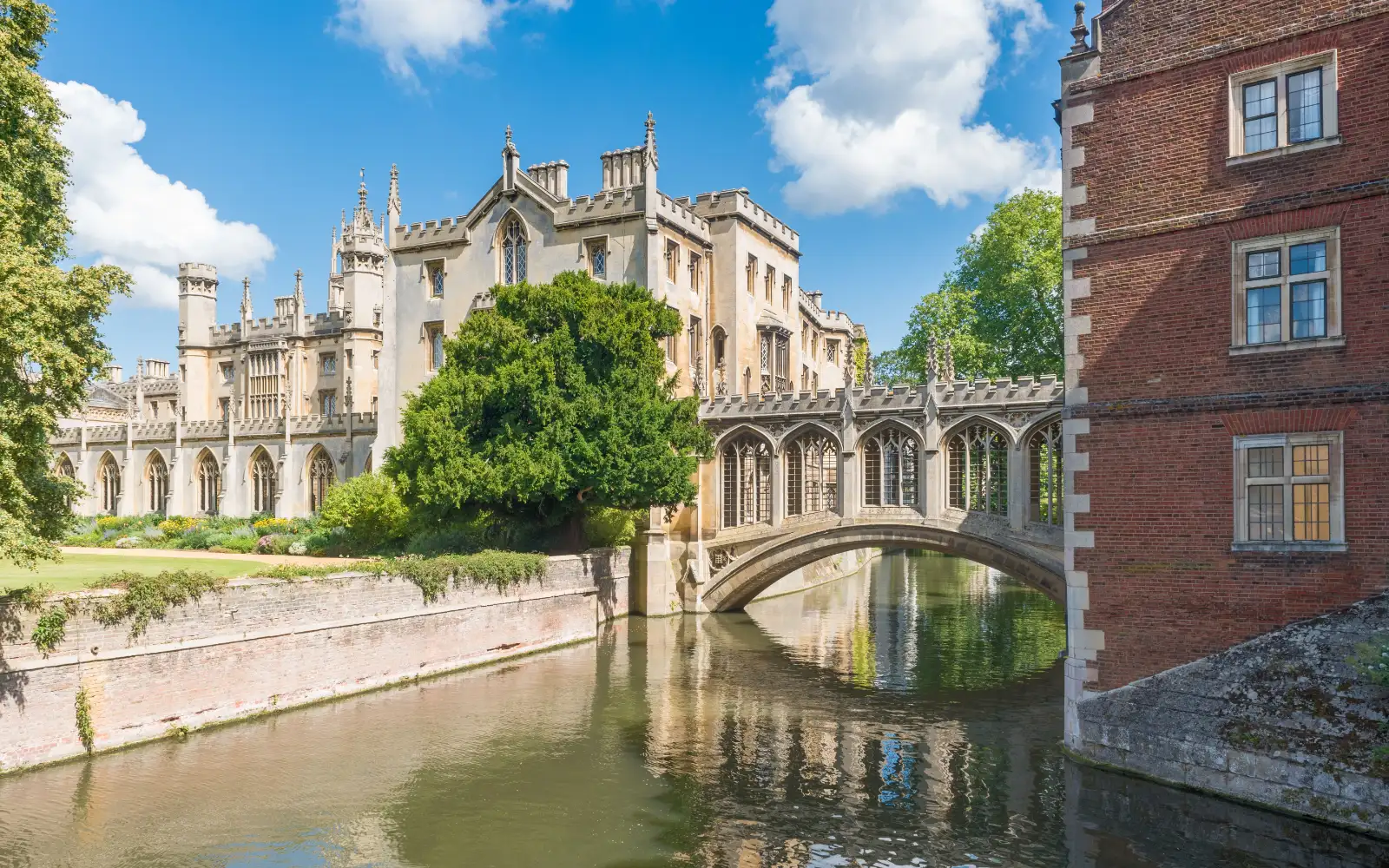
Cambridgeshire - Historic Cities and the Fens
Our journey continues into Cambridgeshire, where historic cities, waterways and the distinctive landscapes of the Fens create yet another side to East Anglia.
At the heart of the county is Cambridge, one of England's most famous university cities. Its historic colleges, beautiful architecture and position beside the River Cam make it an endlessly rewarding place to explore.
A leisurely punt along the River Cam offers a particularly memorable way to see the city, with views of some of the famous college buildings and bridges from the water. Away from the river, the city centre is filled with museums, independent shops, cafés, historic streets and green spaces.
Just a short journey north, Ely rises above the surrounding Fens. The city's magnificent cathedral dominates the skyline and has been a defining feature of Ely for centuries. Known for its impressive medieval architecture, Ely Cathedral is one of the region's most significant historic buildings.
The surrounding Fens provide a striking contrast to the rolling landscapes found elsewhere in East Anglia. This low-lying region has been shaped extensively by drainage and agriculture, creating an unusually open landscape beneath enormous skies.
For another taste of country-house life, Wimpole Estate offers a magnificent historic house, gardens, parkland and working estate. The house reflects several centuries of architectural development, while the wider estate provides plenty of space to explore.
Cambridgeshire shows just how varied East Anglia can be. Within a relatively small area, you can move from the bustle and history of Cambridge to the peaceful waterways of Ely and the wide-open landscapes of the Fens.

The Norfolk Broads - A Landscape Like No Other
Of all the landscapes associated with East Anglia, few are as distinctive as the Norfolk Broads.
With their interconnected rivers, lakes, reed beds and open skies, the Broads offer a wonderfully peaceful way to experience the countryside. Hiring a boat is one of the classic ways to explore, but you can also discover the area by walking, cycling or simply spending time beside the water.
The Broads are also an important wildlife landscape. Look out for water birds, marshland wildlife and the many species that make their homes among the waterways and wetlands.
Villages and small towns along the waterways add another layer of character, while historic windmills provide some of the landscape's most recognisable landmarks.
Perhaps the greatest pleasure of the Broads is simply its sense of space. Away from busy roads and large towns, the combination of open water, reeds and huge skies creates an atmosphere that feels wonderfully removed from everyday life.
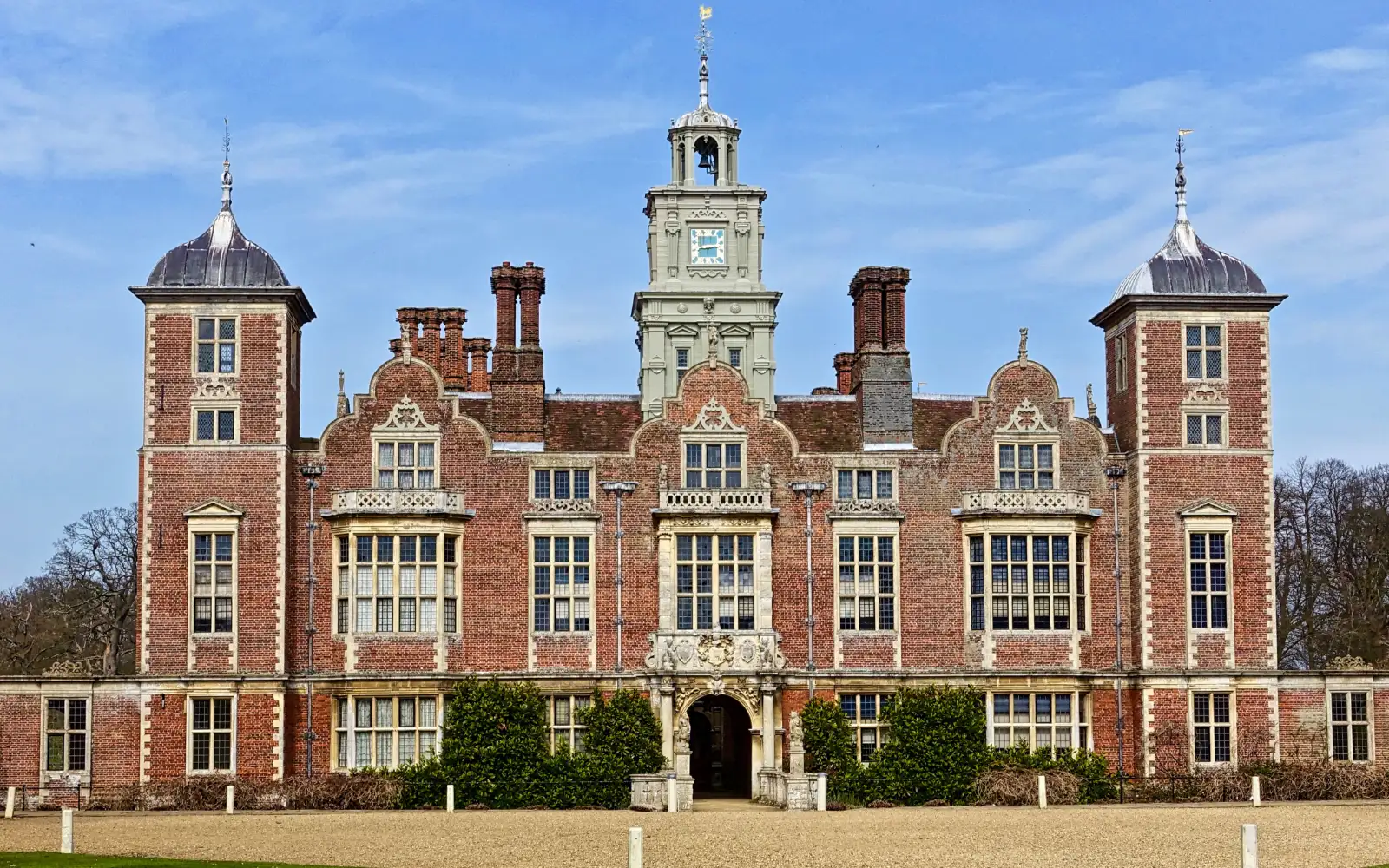
Historic Houses and Estates
East Anglia is particularly rich in historic houses, gardens and estates, making it an excellent destination for anyone interested in architecture, history and beautiful landscapes.
In Norfolk, Blickling Estate and Felbrigg Hall provide two very different country-house experiences. Blickling is centred around its Jacobean mansion and extensive estate, while Felbrigg combines an elegant historic house with gardens and woodland.
In Suffolk, Ickworth stands out for its distinctive Rotunda and landscaped estate, while the surrounding county is filled with historic churches, timber-framed houses and former wool towns.
And in Cambridgeshire, Wimpole Estate offers the chance to explore not just a grand house but a much larger historic working estate.
These properties provide a welcome change of pace from the coast and cities. They also reveal another important part of East Anglia's character – centuries of rural history shaped by farming, wealth, architecture and changing fashions.
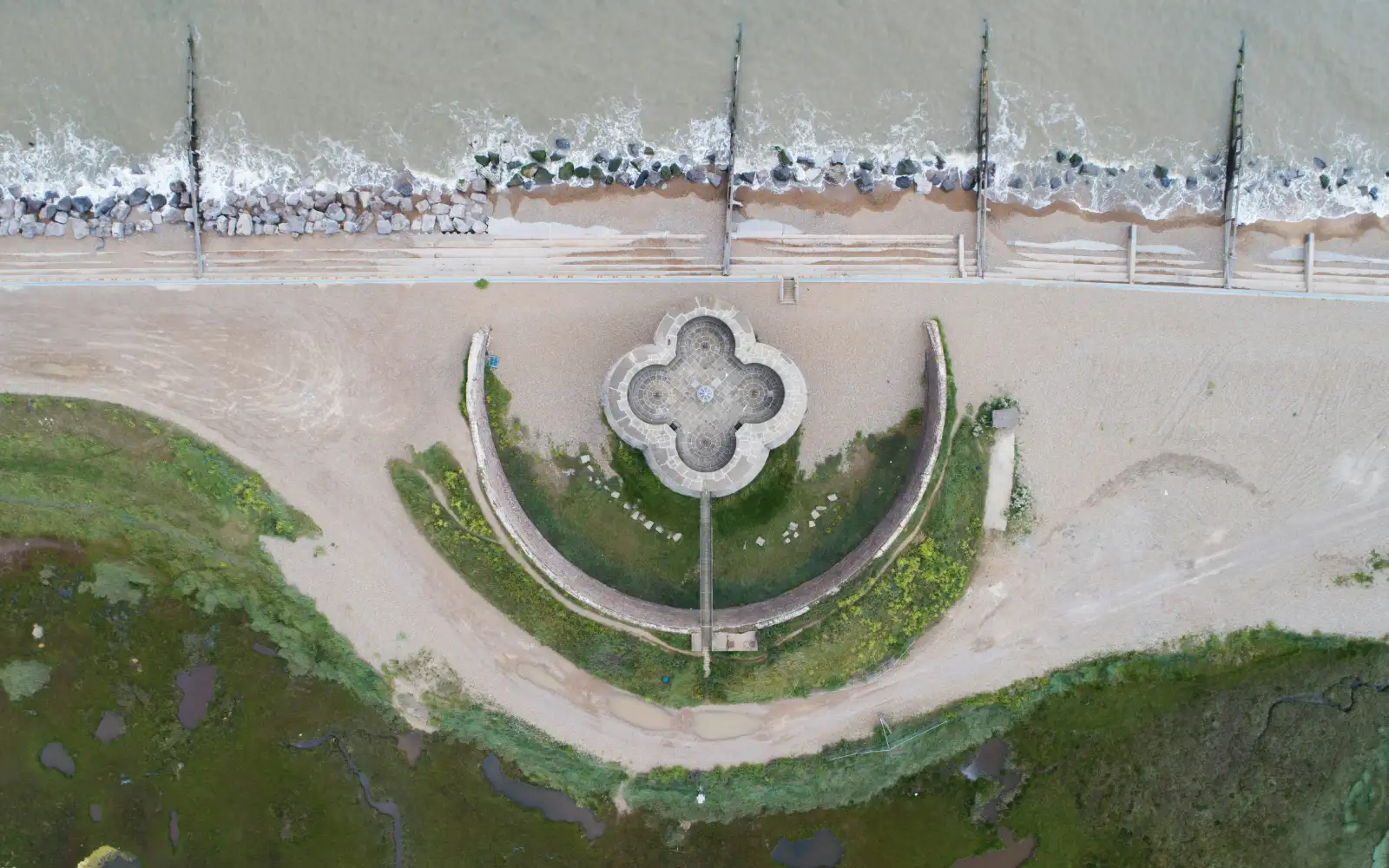
The Suffolk Coast - Seaside Britain at Its Best
If you're drawn to the sea, the Suffolk coast deserves a place high on your East Anglia itinerary.
Southwold is one of the best-known seaside destinations in the county, with its attractive high street, colourful beach huts, sandy and shingle shoreline and much-loved pier.
Further south, Aldeburgh has a more understated character. Its long shingle beach, historic buildings (including the Aldeburgh Moot Hall and the Martello Tower) and association with composer Benjamin Britten give the town a distinctive cultural identity.
Beyond the larger resorts, the coastline becomes increasingly peaceful. Walks through heathland, woodland and coastal landscapes offer the chance to discover a quieter side of Suffolk, while nearby villages and historic towns provide plenty of places to stop along the way.
For anyone who enjoys combining scenery with culture, food and history, the Suffolk coast is an especially rewarding part of East Anglia.
Towns and Villages to Discover
One of the pleasures of travelling through East Anglia is discovering the smaller towns and villages that give the region so much of its character.
In Suffolk, the medieval streets of Lavenham, the historic buildings of Long Melford and the castle town of Framlingham all offer something different.
Norfolk has its own collection of characterful places, from coastal towns such as Cromer and Wells-next-the-Sea to historic King's Lynn and the vibrant city of Norwich.
Norwich is particularly worth exploring for its cathedral, castle, historic streets and independent shops, while the city's market and cultural attractions provide a lively contrast to the quieter rural landscapes surrounding it.
These towns are part of what makes East Anglia such an enjoyable destination. Rather than simply travelling between major attractions, you can build an itinerary around the places you discover along the way.
Exploring East Anglia on Foot
East Anglia may be known for its relatively gentle landscapes, but it offers plenty of opportunities for walking.
Along the Norfolk coast, the Norfolk Coast Path passes through a changing landscape of beaches, cliffs, saltmarsh and coastal villages. The Suffolk coast also provides beautiful walking routes, particularly around its heathlands, estuaries and nature reserves.
Inland, the countryside around Constable Country is ideal for slower walks through fields, villages and the landscapes made famous by John Constable.
The waterways of the Broads offer yet another kind of walking experience, with paths and trails providing views across rivers, reed beds and open water.
You don't need to plan an ambitious hike to enjoy the region. One of the pleasures of East Anglia is that even a short walk can lead to a beautiful view, an interesting village or a quiet corner of countryside.
Why Visit East Anglia?
Perhaps the greatest attraction of East Anglia is the sheer variety of experiences found across its landscapes.
You can spend one day exploring the medieval streets of Lavenham, another sailing along the Norfolk Broads and another walking beside the Suffolk sea. You can visit grand country estates, discover the history of Sutton Hoo, explore Cambridge's colleges or stand beneath the magnificent tower of Ely Cathedral.
There are beaches and waterways, cities and villages, castles and country houses, wildlife reserves and wide-open countryside.
And unlike some of England's busier destinations, East Anglia often feels as though there is room to breathe. Its big skies, quiet lanes and expansive landscapes encourage you to slow down and explore at your own pace.
Planning Your East Anglia Adventure
From the Norfolk coast and the waterways of the Broads to the medieval villages of Suffolk and the historic cities of Cambridgeshire, East Anglia offers an extraordinary variety of places to explore.
Whether you're planning a longer road trip, a seaside break, a countryside escape or a series of weekend visits, the region provides plenty of opportunities to create your own itinerary.
Norfolk, Suffolk and Cambridgeshire each have their own character, but together they reveal a fascinating part of England where history, nature and everyday life remain closely connected.
Perhaps that's the real appeal of East Anglia. You can come for the famous sights, but it's often the quieter moments – a village street, a coastal path, a country garden or a view across the water – that stay with you.
Take your time, explore beyond the obvious, and discover the many different sides of East Anglia.